PROJECTS

Stafford Park, Telford

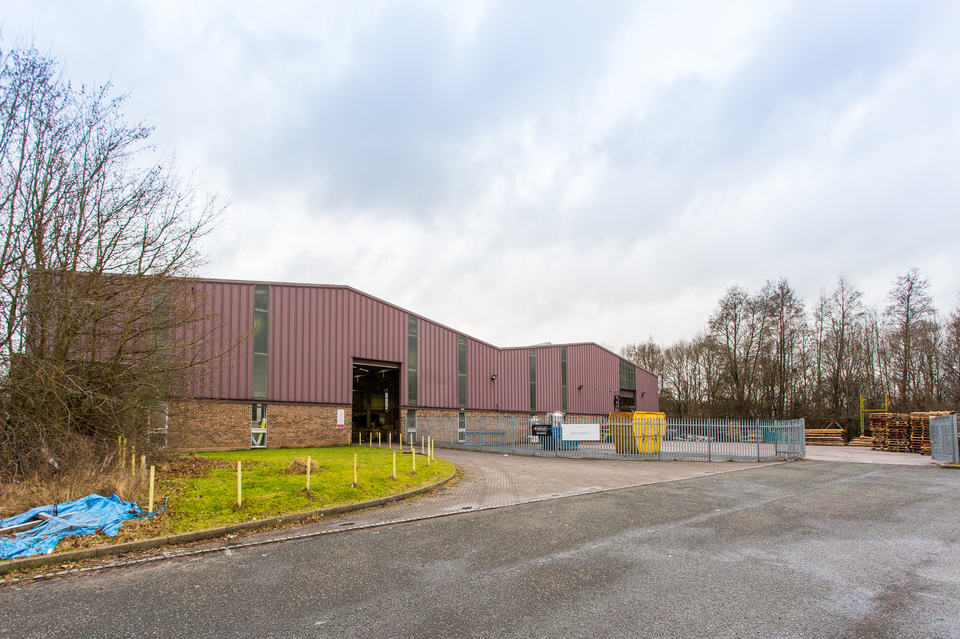
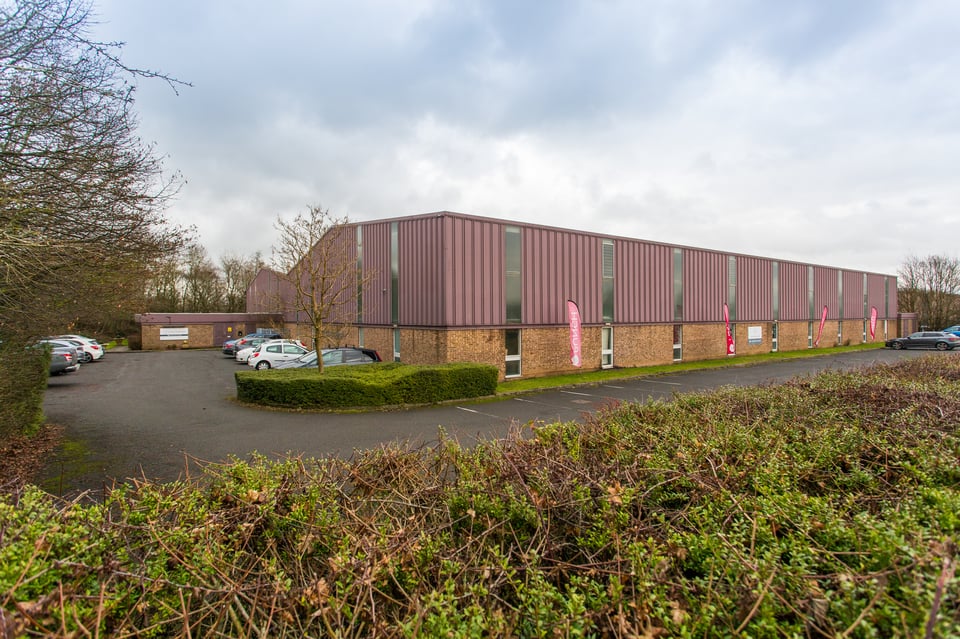
Project: Medical waste processing and disposal plant
Location: Stafford Park, Telford, Shropshire
Client: Stericycle waste management
Services: Flood risk, drainage design and hydrology

What it was trying to achieve

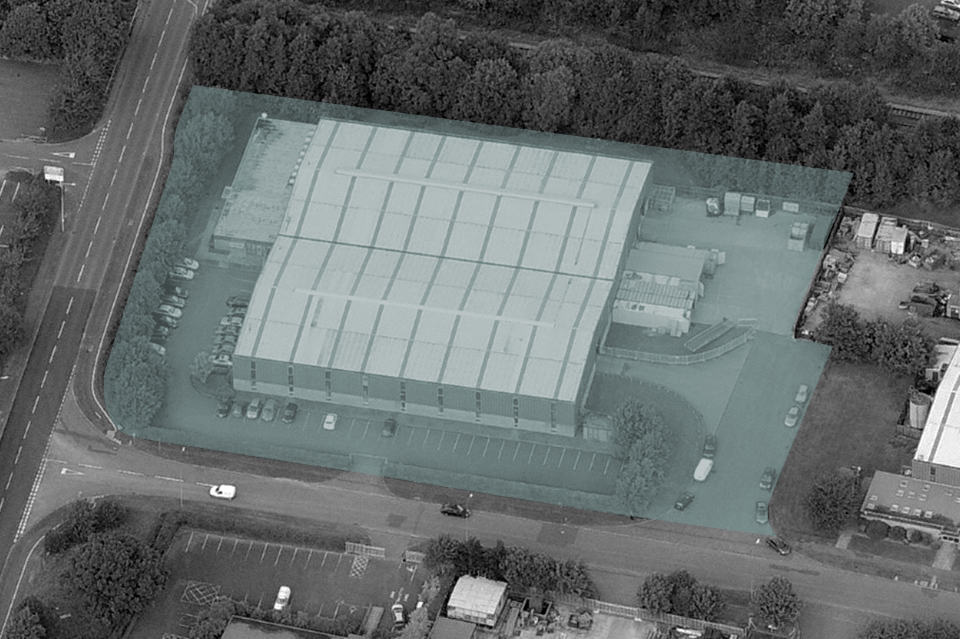
An existing industrial site at Stafford Park, Telford was being converted from aluminium window frame manufacture to a plant for the treatment and processing of hazardous medical waste from hospitals, dental surgeries, GP surgeries and other health environments. The change of use required a drainage system capable of managing the specific contamination risk the new use introduced into what was otherwise a standard industrial drainage context.

What made it complex

Medical waste arrives at the site bagged and sealed. The risk arises in the service yards where deliveries and loading occur: surface water collecting in those areas carries a potential contamination risk in the event of a leak or spillage. Environment Agency protocols and planning conditions required that potentially contaminated surface water be routed to the foul sewer. Surface water from clean surfaces could discharge to storm. The site produced both, within the same rain event, and the system had to distinguish between them reliably. A fire-fighting water containment strategy was also required: in the event of a fire at the plant, the volumes of water used to tackle it had to be contained within the site boundary to prevent a pollution incident in the wider drainage network.

What it produced

The plant became fully operational within six months of instruction, signed off by the local authority, Severn Trent and the Environment Agency. The split drainage system was accepted by all three approving bodies. The conversion from aluminium window manufacture to medical waste processing was completed within the programme the timeline required.

How we thought about it

We designed a split drainage system that segregated surface water by risk rather than by location. Rainfall falling on the roof and other surfaces with no contamination risk was directed to the storm sewer. Rainfall collecting in the service yards, where the risk of contamination from a processing incident was real, was directed to the foul sewer. The system was designed to operate as the permanent condition, not only as a spill response. We produced layout plans, construction details, pipe network models and drainage calculations to meet the conditions set by the local planning authority, Severn Trent and the Environment Agency. We engaged with all three approving bodies directly, building the technical understanding that allowed the drainage solution to be accepted by each of them.

Calibro’s logical approach to seeing constraints as an opportunity assists in achieving a desirable solution that is communicated clearly and robustly to ensure the projects are driven forward successfully.

Andy Cattermole
Redrow Homes PLC
Senior Planning Manager

Related Projects